
How Tariffs Affect Import Costs: What You Need to Know
Understanding Tariffs and Their Impact
Tariffs are taxes imposed by a government on imported goods. They play a significant role in international trade, influencing the cost of goods and the dynamics of global markets. When tariffs are applied, they often lead to increased costs for importers, which can affect pricing and availability for consumers. Understanding how tariffs work is crucial for businesses involved in importing goods.

The Basics of Tariffs
Tariffs are used as a tool for protecting domestic industries from foreign competition by making imported goods more expensive. They can also serve as a source of revenue for the government. The level of the tariff imposed can vary depending on the type of product and the country of origin. There are primarily two types of tariffs: specific tariffs, which are a fixed fee based on the quantity of goods, and ad valorem tariffs, which are based on the value of the goods.
Effects on Import Costs
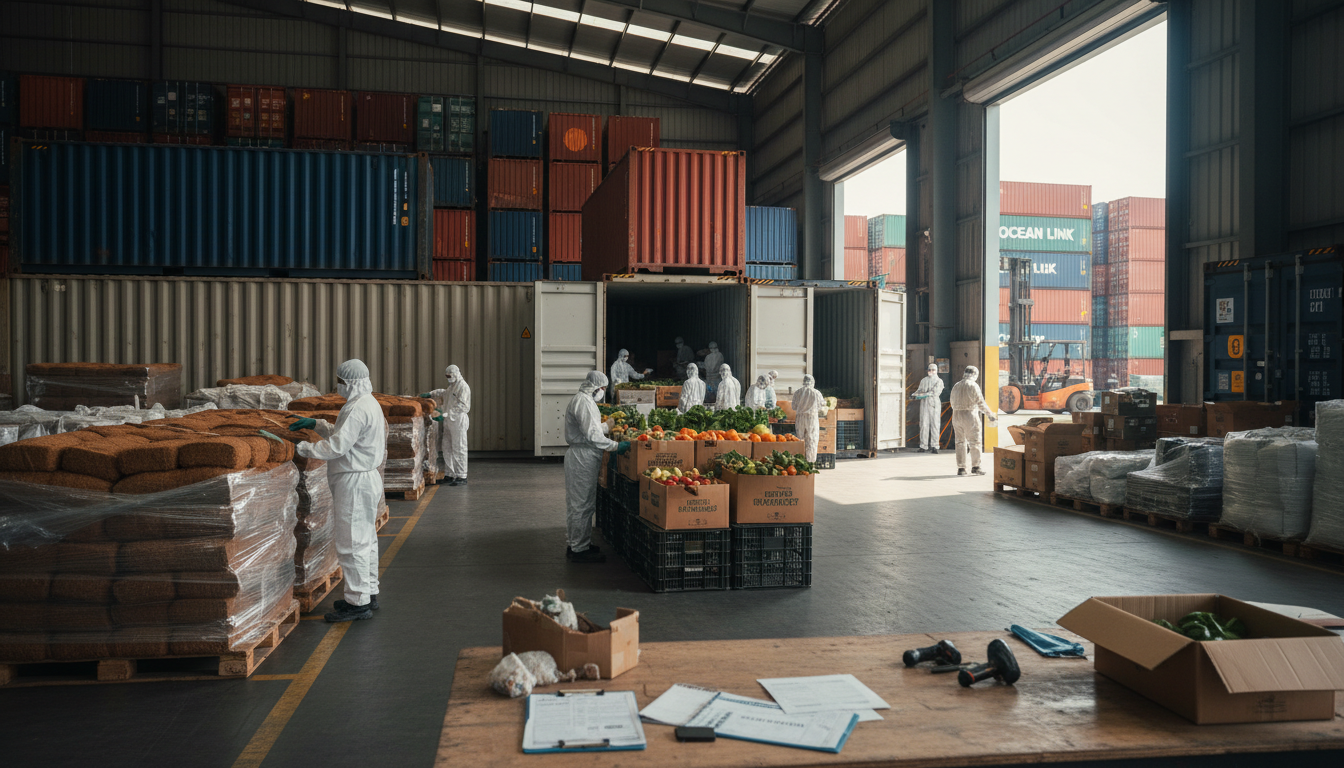
When a tariff is added to an imported product, the cost of that product increases. This increase can be passed down the supply chain, ultimately affecting the retail price. Importers must decide whether to absorb the cost or pass it on to consumers. In many cases, the latter option is chosen, leading to higher prices for end-users. This can reduce demand for certain imported goods, affecting the overall market dynamics.
Impact on Businesses and Consumers
Businesses that rely heavily on imported goods may face increased operational costs due to tariffs. This can lead to reduced profit margins or the need to find alternative suppliers. For consumers, increased prices on imported goods can limit choices and reduce purchasing power. Additionally, tariffs can sometimes lead to trade wars, where countries impose retaliatory tariffs, escalating costs further.
Strategies to Mitigate Tariff Effects
There are several strategies businesses can employ to mitigate the effects of tariffs:
- Negotiating with Suppliers: Businesses can work with suppliers to reduce costs or find alternative suppliers with lower tariffs.
- Re-evaluating Supply Chains: Companies may consider relocating production to countries with more favorable trade agreements.
- Optimizing Inventory: By managing inventory more effectively, businesses can minimize the impact of sudden cost increases.

The Bigger Picture
While tariffs are intended to protect domestic industries, they can also lead to unintended consequences such as inflation and reduced competitiveness. In the long term, businesses may need to innovate and adapt to remain competitive in a changing market landscape. Understanding the broad implications of tariffs is essential for making informed business decisions.
Conclusion
Tariffs are a critical factor in international trade that can significantly impact import costs. By understanding how tariffs work and their effects on pricing and availability, businesses can develop strategies to mitigate these impacts. Staying informed about trade policies and global market trends is essential for navigating the complexities of international trade.